Before & After Transformations
See What Spray Foam Actually Changes
"Before and after" here means real, credited project footage — energy performance, air sealing, and visible retrofit outcomes. Not fabricated case studies, not CCA's own projects.
"Before and after" here means real, credited project footage — energy performance, air sealing, and visible retrofit outcomes. Not fabricated case studies, not CCA's own projects.
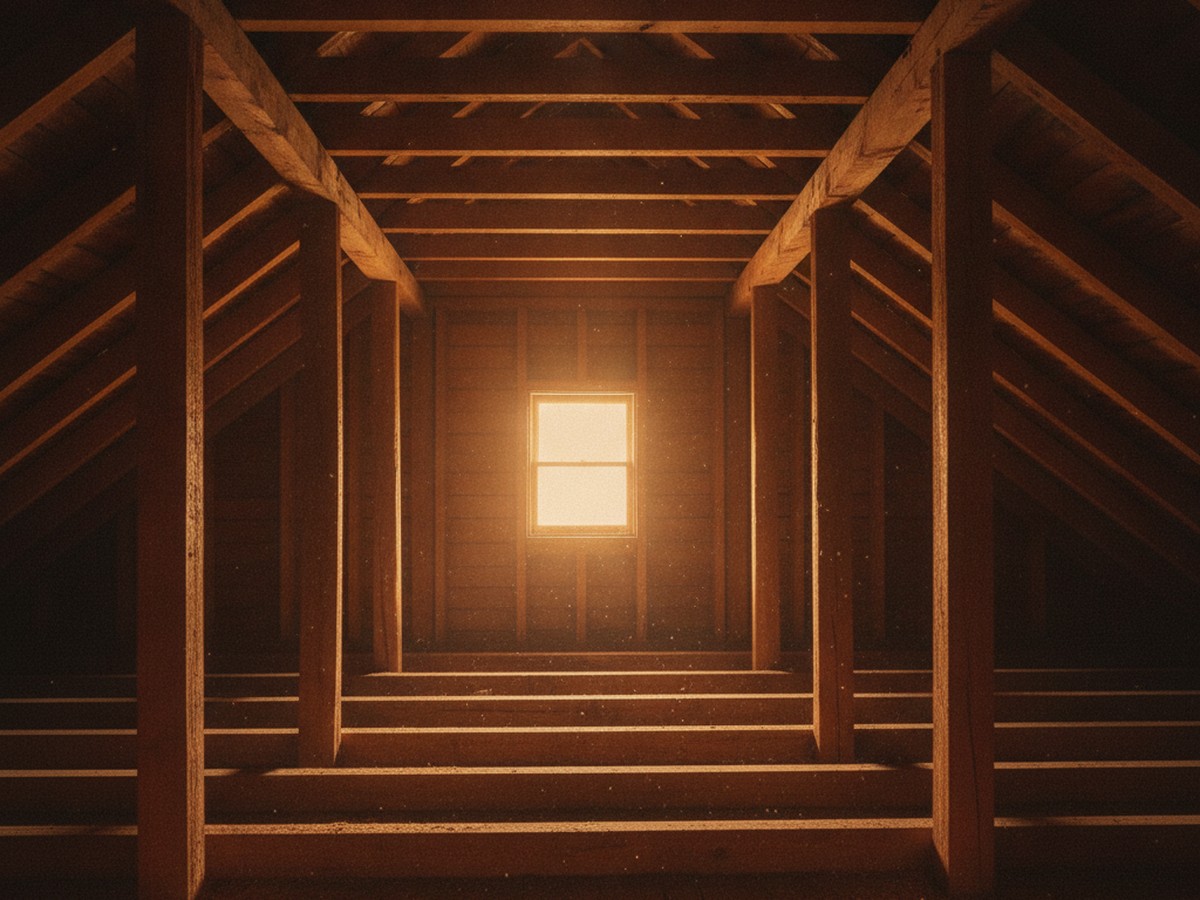
An attic retrofit is one of the most visually dramatic spray foam transformations — loose or compressed batt insulation gets replaced with a continuous, air-sealed foam layer.
A manufacturer-featured attic retrofit project, from existing insulation removal through the finished spray foam application.
Source: BASF SPF
Trade-press coverage of an older home's attic converted from fiberglass batts to open-cell spray foam.
Source: Spray Foam Magazine
Crawl space encapsulation pairs a vapor barrier with spray foam on the rim joists and sometimes the perimeter walls — the change from a damp, vented crawl space to a sealed one is one of the clearest before/afters in the trade.
A full crawl space transformation showing the condition before work began and the sealed, insulated result.
Source: SprayWorks
Retrofit injection foam is applied to existing, already-finished walls through small drilled access holes — the transformation happens inside the wall cavity, not on the surface, which is why the before/after is usually about performance rather than appearance.
Drill-and-fill retrofit foam injection into an existing exterior wall on an occupied home, documented by trade press.
Source: Spray Foam Magazine
Roof deck spray foam moves the insulation and air barrier to the underside of the roof deck itself, converting a vented attic into a semi-conditioned space — a structural and thermal change you can see in the finished footage.
A roof deck project shown from bare deck to fully sprayed closed-cell foam, illustrating full coverage and finished thickness.
Source: BASF SPF
An association-published look at an unvented roof assembly conversion using spray foam at the roof deck.
Source: SPFA
A retrofit changes how a home performs. It doesn't automatically change every question a future buyer, appraiser, or inspector might ask. Here's the honest version.
Air leakage is reduced, comfort in the treated space usually improves, and energy use associated with that space can go down. In roof deck and crawl space conversions, the assembly itself changes — a vented space can become a semi-conditioned one, which affects things like duct placement and moisture behavior going forward.
Some home inspectors flag spray foam simply because it hides the roof deck or wall sheathing from direct visual inspection for leaks or rot — that's a documentation issue, not a defect. Keeping records of who installed the foam, when, and to what specification is the practical way to address it if the home is ever sold. This is a factual, general note, not insurance or legal advice.
Have questions this raised — cost, lifespan, mold, resale? Get the honest answers in Homeowner Education Videos. Want to see how these transformations actually get applied? Watch application videos.
Get matched with a vetted, insured spray foam contractor near you — free, no obligation.